
Devdatt Nerurkar
Founder of WiserWill
How to Avoid Intestacy in Singapore Easily
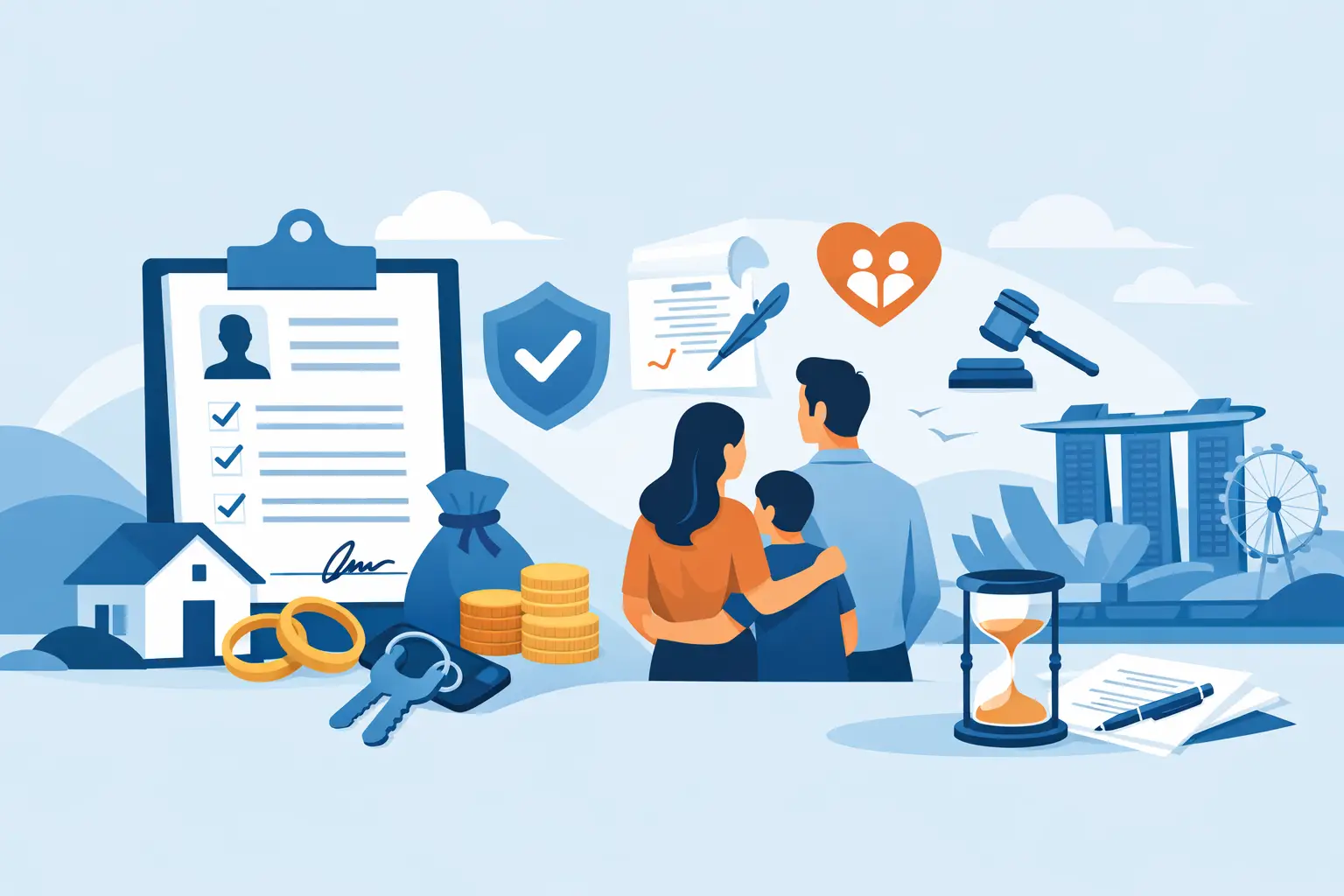
When someone dies without a valid Will in Singapore, their family does not simply follow what they believe that person would have wanted. The law decides who inherits and in what shares. Learning how to avoid intestacy in Singapore is one of the clearest ways to protect the people you care about from uncertainty, delay, and potential conflict.
For many people, making a Will feels like something to postpone until they are older or have more assets. But if you have savings, insurance proceeds, investments, a home, personal belongings, or children who depend on you, you already have decisions worth putting in writing.
What intestacy means for your family
Intestacy happens when a person dies without a valid Will that covers their estate. The Intestate Succession Act sets out who receives assets that form part of the estate. The result may be different from your personal wishes.
For example, if you are married with children, your spouse and children generally share the estate according to a statutory formula. If you are unmarried, your parents, siblings, or more distant relatives may be entitled to inherit. A long-term partner who is not a legal spouse may not automatically receive anything under the intestacy rules.
This can create difficult outcomes. You may have intended to leave more to a spouse who is financially dependent on you, set aside funds for a child’s education, help a sibling, or support a close friend. Without a valid Will, those instructions may not be followed.
Intestacy can also make administration harder. Someone will need to apply to the court for authority to manage the estate, and family members may disagree about who should take on that role. A Will does not remove every administrative step after death, but it gives your executor clear legal directions and reduces room for guesswork.
How to avoid intestacy in Singapore
The practical answer is to make a valid Will, appoint someone you trust to carry it out, and review it when your life changes. A good Will is not necessarily long or complicated. It needs to clearly state what you own, who should receive it, and who has authority to administer your estate.
Make a valid Will, not just a written note
A note on your phone, an unsigned document, or a conversation with family is not a substitute for a properly executed Will. In Singapore, a Will generally needs to be in writing, signed by the person making it, and witnessed by two people who are present at the signing.
The witnesses should not be beneficiaries under the Will, and they should not be the spouses of beneficiaries. Otherwise, the gift to that beneficiary may be affected. Choose independent adult witnesses who understand that they are witnessing your signature.
You should also make the Will while you have the mental capacity to understand what you are doing. This means understanding that you are making a Will, knowing broadly what assets you have, and appreciating who may have a reasonable claim to your estate.
Choose an executor who can handle the responsibility
An executor is the person you appoint to locate your assets, apply for probate where needed, pay debts and expenses, and distribute the estate according to your Will. This is an important role, so select someone organized, trustworthy, and willing to act.
Many people appoint a spouse, adult child, sibling, or trusted friend. You can appoint more than one executor, which may be useful where your estate is larger or family members live in different countries. It is also sensible to name a replacement executor in case your first choice cannot act when the time comes.
Before naming someone, speak to them. Surprising a person with this responsibility after your death can add unnecessary stress to an already emotional time.
Give clear instructions for your assets
Vague wording is one of the easiest ways to create avoidable disputes. Your Will should identify who receives your estate and explain how it should be divided. You may leave specific items or amounts to certain people, then state who receives everything else that remains.
Think beyond your bank account. Consider property, investments, shares, vehicles, valuable personal items, business interests, digital assets, and money owed to you. You do not have to list every ordinary household item, but you should make sure your overall distribution instructions are clear.
If you have children under 21, consider appointing guardians in your Will. A guardian is not automatically the person who manages money for the child, so you may also need to consider who should hold and manage a child’s inheritance until they are old enough to receive it.
Know which assets may sit outside your Will
Making a Will is central to avoiding intestacy, but not every asset passes through a Will. This is where many estate plans become incomplete.
Property held as joint tenants generally passes automatically to the surviving joint owner through the right of survivorship. It does not usually pass under your Will. By contrast, a share held as tenants in common can generally be dealt with in a Will.
CPF savings are also not distributed through a Will if you have made a CPF nomination. Insurance policies may have beneficiary nominations or trust nominations that affect who receives the payout. Certain accounts, business arrangements, and jointly held assets may have their own rules.
This does not mean you should avoid making a Will. It means your Will, ownership arrangements, and nominations should work together. Review them as one plan so that your intentions are not accidentally contradicted.
Update your Will when life changes
A Will is not a document to make once and forget. Review it after major changes such as marriage, divorce, the birth or adoption of a child, buying property, receiving a large inheritance, starting a business, or the death of a beneficiary or executor.
Marriage can have legal effects on an existing Will, so do not assume an older document will continue to reflect your wishes after a wedding. Divorce may also change family circumstances without automatically achieving every update you intended. Creating or revising your Will promptly is the safer approach.
You should also review your Will when relationships change. The person who seemed like the right executor five years ago may now live overseas, be in poor health, or no longer be the best fit. Keeping your instructions current is a practical kindness to your family.
Common mistakes that can still lead to problems
People often assume that telling family members their wishes is enough. It can be helpful to have that conversation, but it does not replace a valid Will. Others download a template, complete it quickly, and overlook signing or witness requirements.
Another common mistake is leaving everything to a spouse without considering what happens if the spouse dies first or at the same time. Naming alternate beneficiaries helps prevent gaps in your plan. Similarly, appointing only one executor without a backup can create complications if that person is unable to serve.
If you are Muslim, estate distribution and Will-making may be subject to different rules, including Muslim inheritance principles. If your circumstances involve foreign assets, a blended family, a business, a beneficiary with special needs, or concerns about potential claims against the estate, tailored professional advice may be appropriate.
A simple way to get started
Start by writing down your assets, debts, and the people you want to provide for. Then decide who should be your executor, who should receive specific gifts, and who should receive the balance of your estate. If you have young children, include guardianship decisions.
An online Will-making service such as WiserWill can help you turn those decisions into a structured Will without the cost and friction of a traditional law-office appointment. The key is to answer carefully, follow the signing instructions exactly, and store the completed original in a place your executor can find.
A Will is not about predicting the worst. It is about giving the people closest to you a clear path forward when they may need clarity most.
